From Lebanon, with Love
Angela Mualem Fout’s Sohha Savory line delivers home-cookery from the birthplace of civilization to your table. It comes courtesy of this teacher-turned-chef who is determined to pass on the culinary traditions of her homeland.
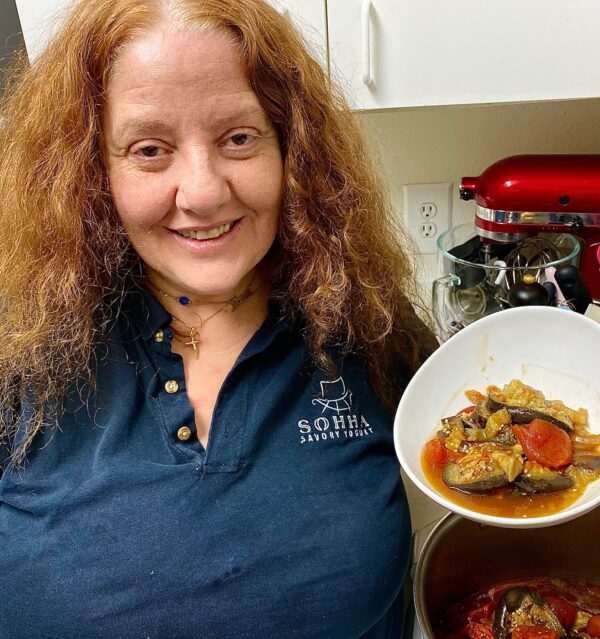
Angela Mualem Fout is in her home kitchen in Lawrence Township, rinsing rice and nursing a stock simmering on her stove that, once the rice is added, will infuse the grain with depth not known to regular white rice. It is stock bolstered by both meat and motherly love as this dish is destined for Savana, her 15-year-old daughter who will be coming home from school later in the afternoon as hungry as most teens.
Meanwhile, Angela is washing bunches of fresh flat-leaf parsley, laying them out on ample toweling where she’ll give the stems a pat, then a bundled-up roll within the towels. At the last, she groups smaller clusters of stems to air-dry them completely. The wash-dry process is critical to ensure the robust, slightly peppery and earthy herb that’s the basis for her tabbouleh never sees its vibrancy diminished or diluted by the least little wateriness. That would mar her version of the classic Eastern Mediterranean dish and Angela would not be happy.
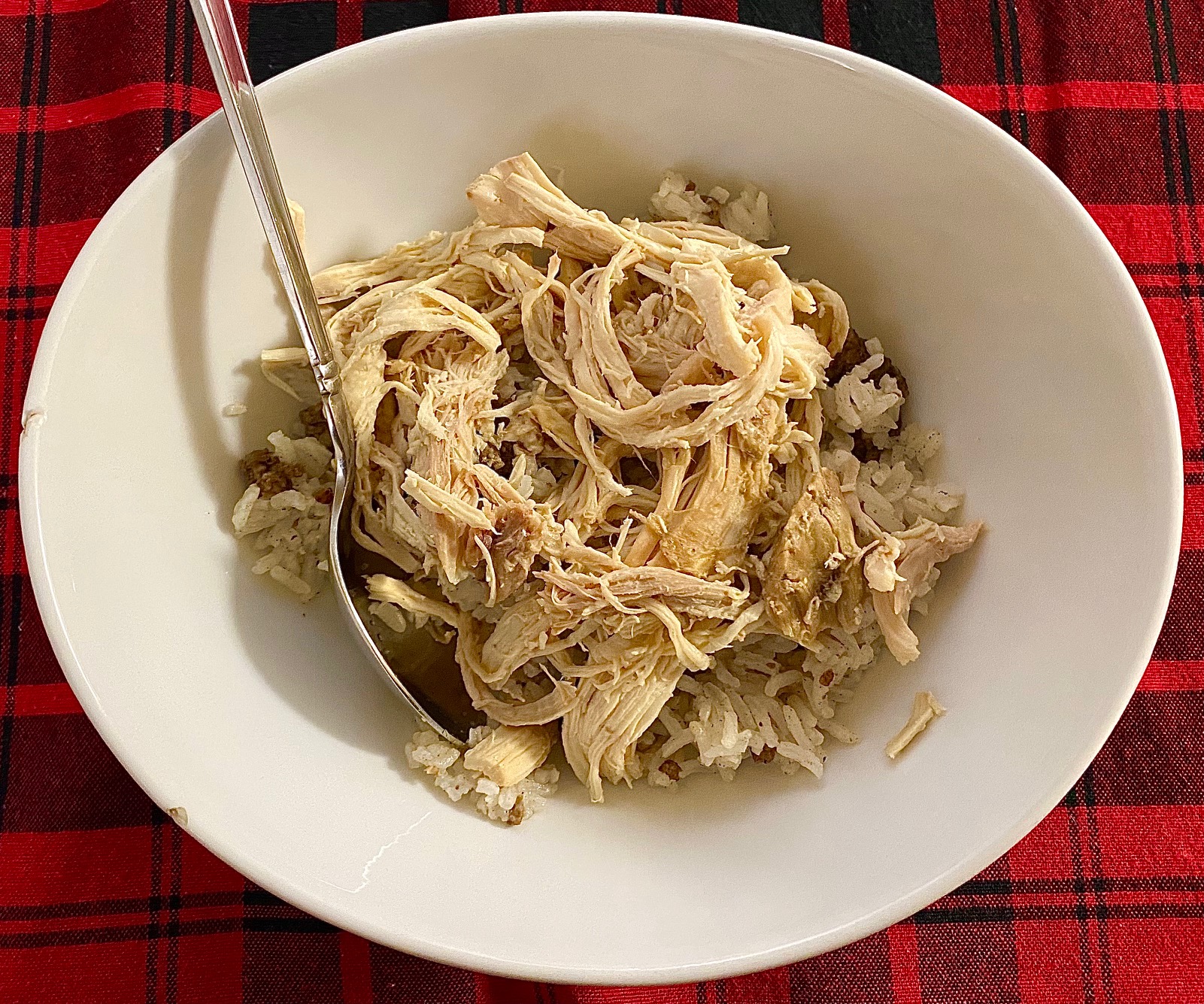
Savana’s early supper of aromatic rice her mother tops with shreds of chicken may be Angela Mualem Fout’s love song to her daughter. But her tabbouleh and the other specialty foods she prepares in a commercial kitchen in Trenton fall under her all-pro line called Sohha Savory, an enterprise she has been nurturing for years and preparing for since her childhood in Lebanon. Cooking for Savana may be personal expression, but cooking for the public is another kind of joy for the woman trained as a teacher and devoted to the culinary traditions of her native country.
The public component – and, eventually, Sohha Savory – came about because of demand. Like many born elsewhere, she found new friends and co-workers in America who, once having tasted her cooking, clamored for more.
“People always said, ‘We love your food!’ So I started cooking my food and delivering to them,” Angela says. By the time the 2010s rolled around, Angela’s Lebanese specialties were feeding many more people than those sitting at her home table.
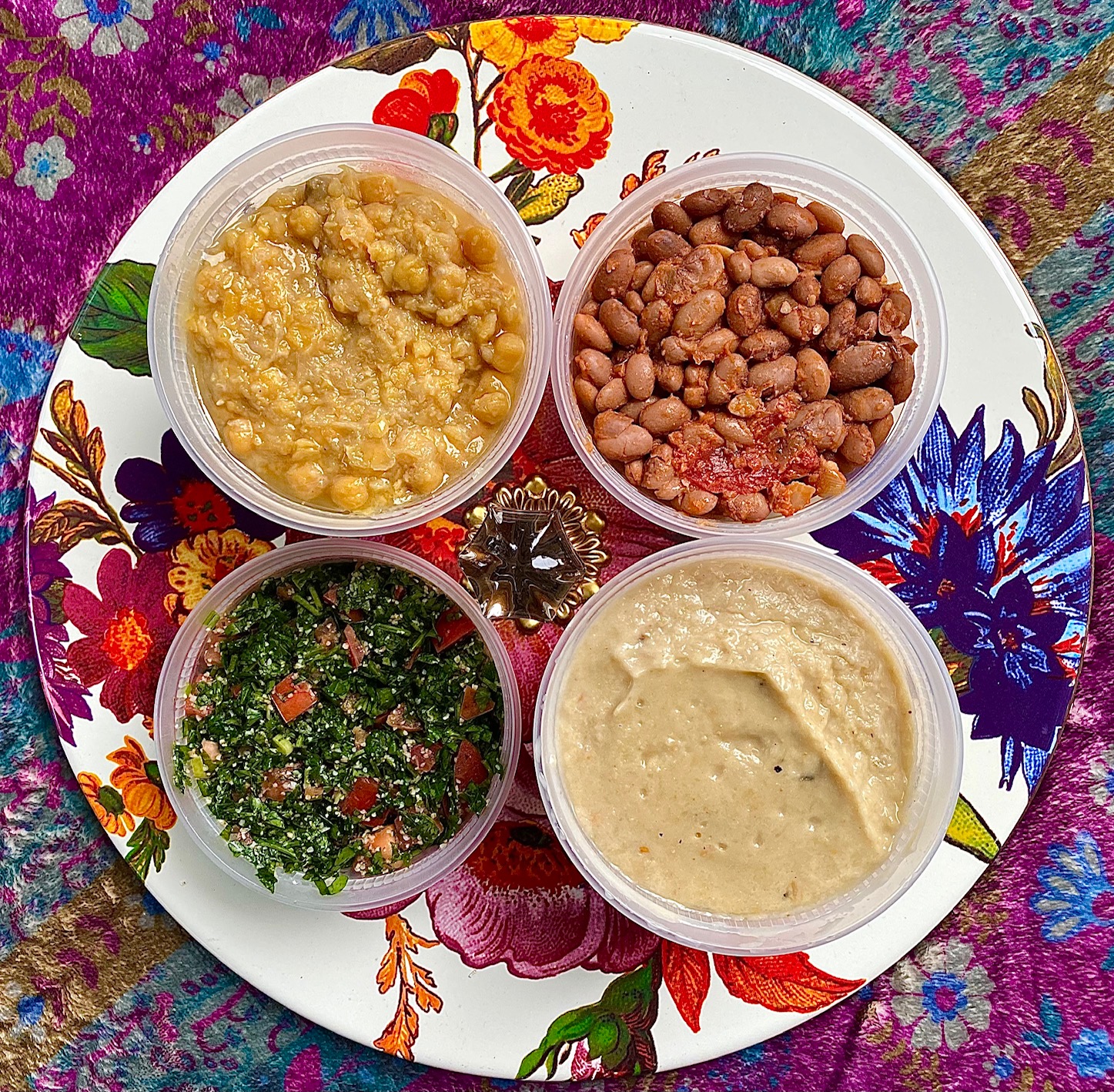
Today, products in the Sohha Savory line range from seasonings that rev up plainer foods and prepared items, including soups, bean dishes, spreads such as hummus and baba ghanouj that also can form the basis of a meal, and salad-adjacent items that include tabbouleh and other staples of Lebanese cookery. In fact, if you attend today’s – Saturday, Jan. 17 – West Windsor Winter Farmers’ Market at the Princeton Junction train station, you can buy whatever Angela has been cooking up at her commercial kitchen.
It’s home-cooking from the birthplace of civilization directly to you.
*
The Sohha founder grew up in Beirut, where her family lived in the city’s downtown. There also was a country house “in the mountains,” where they’d escape city life. And sometimes the hard realities of war.
“I was born in 1969,” Angela says, “and the war started in 1975. I have memories of being shot at and being at school but not being able to go home because of the bombings. You learn bombing metrics.”
The war was “between two religious factions who were killing each other,” Angela notes. “We were Christians.” War’s effects ran deep; Angela’s stories from her war-afflicted childhood chill. Her parents went to extremes to protect the family and make certain the children’s education proceeded uninterrupted. Angela and her twin brother Patrick are the youngest of the six children in the family. “We all went to private schools,” she notes, “in a country where education is the number one thing.” She’s what’s known as “English-educated,” schooled as well in Arabic and French.
In 1983, the family moved to the United States. Destination: Cherry Hill, where Angela entered Cherry Hill High School West. The transition was eased by the fact that her paternal grandfather had long lived in the States and her father was born here and had remained a U.S. citizen. “We always knew, all of us, that college would be in the United States,” she says.
Lebanese culinary traditions came along for the ride.
“I learned how to make yogurt when I was 15,” Angela says. Labneh, that is – not mass-market commercial American yogurt that’s often sweetened and/or overly fruited, but yogurt that’s meant to be served in savory ways and is a fundamental component of lunches and dinners.
Yogurt, as it turns out, is what jump-started Sohha Savory.
The decades after coming to New Jersey were busy for Angela: college in Delaware, work in finance, constant continuing education, all the facets of adult life. After all their kids had completed school, Angela’s parents returned to Lebanon. But after several years, she missed them and vowed to “move back for a year.”
One year turned into five. She was teaching English at an American language center when she realized she had a couple of unaddressed dreams to see through: to live in New York City and to get a master’s degree in education. To satisfy the latter, she returned to the States, got accepted at the University of Pennsylvania and moved in with a brother living in Voorhees while she studied for her master’s. After graduation, it was New York City all the way: She was hired by Columbia University to teach in its American Language Program. Columbia wasn’t the only place Angela plied her teaching skills. She taught at a few of the City University of New York schools, loving the work and sometimes teaching eight or 10 courses a semester.
School by day – and, soon, cooking at night as she spread her love of Lebanon’s soulful foods to her colleagues and neighbors, carrying fully cooked meals on New York City subways and up and down the hallways of campus buildings and apartments.
Her then-husband, who’d worked as a trader and journalist, had suffered from the hard financial times of the late aughts, and Angela’s culinary skills proved a salve to their personal bottom line, particularly after Savana was born in 2010. The joys of cooking and sharing the splendors of a lesser-known cuisine both filled and fueled her days and nights. Soon she was selling at farmers’ markets in the city as well as Whole Foods and major specialty food markets. The name Sohha – which Angela says in Arabic means “healthy” – became a symbol for high-quality foods that are just that. Angela smiles at the notion that in the beginning, she and her team were just “trying to show people how to eat yogurt in savory ways.”
*
After brief forays elsewhere, the Sohha Savory line moved with Angela to New Jersey. The seasonings, including the pivotal Sohha Everything Bagel and Za’atar Sumac, regularly come with her to the markets she currently attends and are being sold at the busy shop at Cherry Grove Farms in Lawrence Township. Carob molasses tahini “sells itself,” she adds, because it’s excellent “with bread, with bananas and apples, on pancakes and ice cream.” Sohha’s baba ghanouj comes plain or spiced with harissa or za’atar.
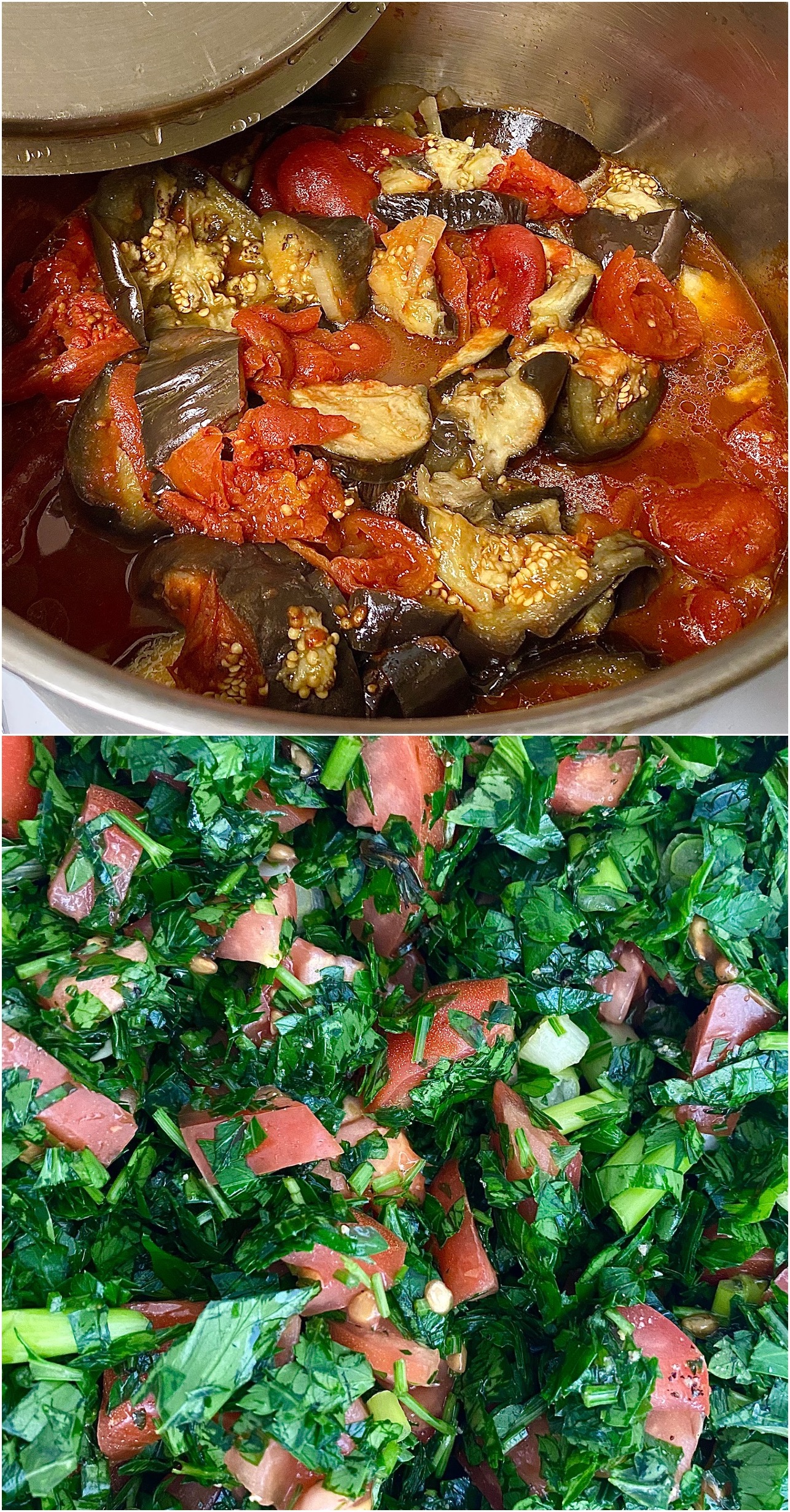
At market, Angela may be offering Lebanese prepared foods, such as loubieh, a stew of green beans, and a decidedly Lebanese mousaka, “not Greek,” she says, emphasizing this is a dish of “stewed eggplant, tomatoes, garlic and onions that’s eaten with pita,” not the layered and baked Greek casserole. Riz, rice with chicken, is enhanced by a broth that lets cinnamon and bay leaf take an accenting lead. The tabbouleh takes the Lebanese route of minimizing bulghur and spotlighting parsley with diced tomatoes, scallions and mint. “Parsley with more tomatoes is very Lebanese.”
“Kibbe – they’re beef balls seasoned and mixed with bulghur and onions, no garlic – are another Lebanese” classic, she notes. Then she pauses and reflects. The thing about Lebanese food, it seems, is its hand-in-glove approach with the country’s four seasons and how cooks make the most of a very diverse topography that yields a wide variety of crops.
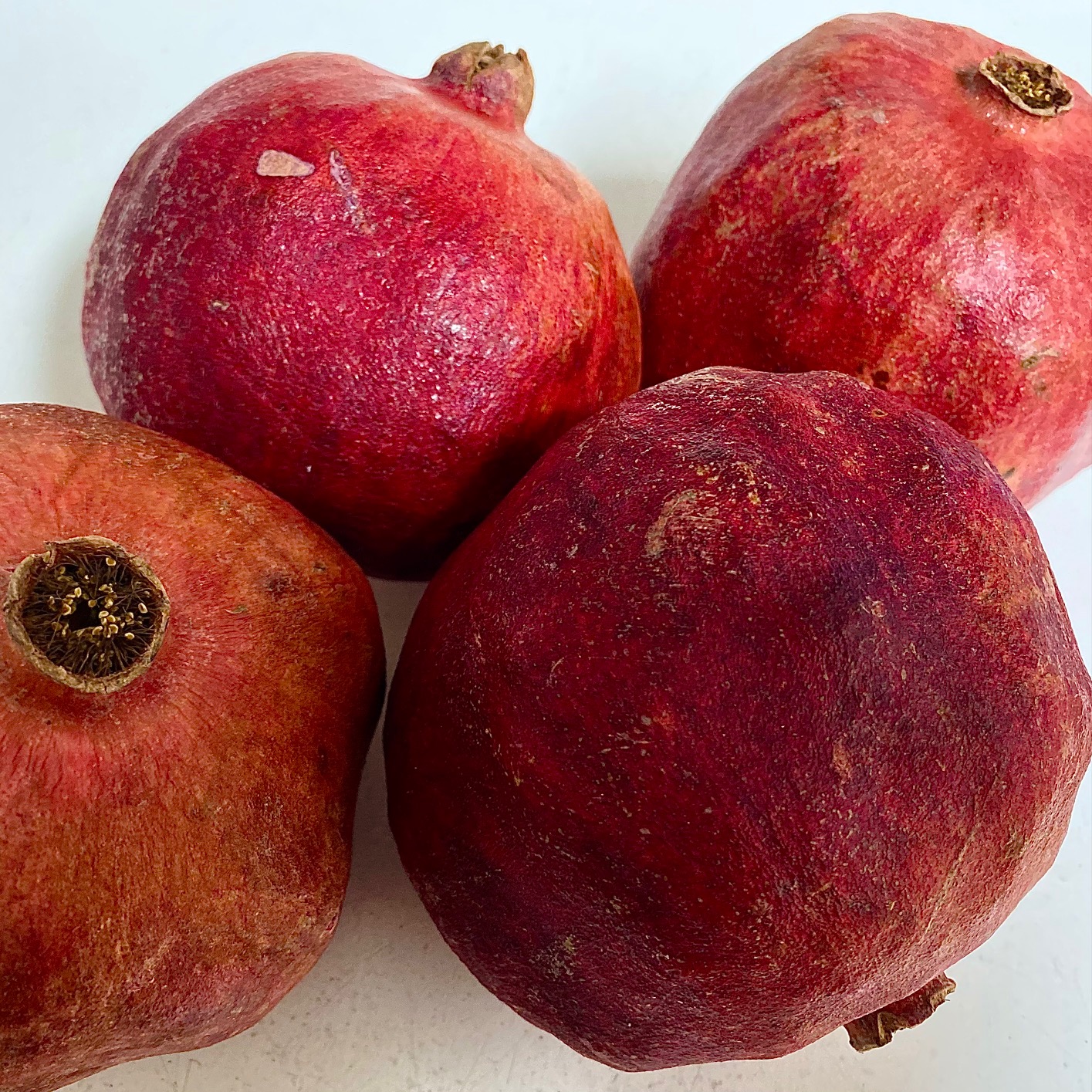
“Lebanon is much smaller than New Jersey” – about half the size – “and there’s a very diverse climate, too,” she says. Peek into Angela’s fridge at home and find several pomegranates, ready to eat fresh, juice or reduce into pomegranate molasses. While she finds much that she needs to make her Lebanese favorites at local supermarkets, she will make trips up to Paterson to shop for Eastern Med standards at Nouri Brothers and Brothers Produce.
In Lebanon, she says, key ingredients are naturally local and cooking from scratch is the rule.
“Every restaurant makes everything from scratch,” Angela says. At home, or eating out, a “typical meal takes three to four hours, lunch or dinner. There’s always several meze, including hummus, baba ghanouj and sausages.” Dinner also might include kefte, ground and seasoned meats either skewered or in a baked casserole, and cubed meats, marinated, skewered and frequently grilled. And there are soups: Lebanese soups, for certain, remain a constant in Angela’s repertoire. A favorite also happens to be a favorite of Sohha’s customers at the West Windsor market.
“Lentils with Swiss chard, cilantro, lemon juice and garlic is the most popular at the market,” Angela says. She sells it frozen and also hot, ladled from kettles directly into containers for ready eating.
Lebanese scratch cooking, in other words, from Angela Mualem Fout’s ladle to your table.
SOHHA SAVORY’s website is found at www.sohhasavory.com. Phone: 848-228-3534. Email: info@sohhasavory.com. Follow on Facebook and Instagram @SohhaSavory.