How We Taste
Chef Rob Santello’s treatise on taste boils down to a refutation of common-in-every-way cooking practices in kitchens that are “professional” in self-styled ways only. His belief in “building excellence one plate at a time” is credo for the craft practiced in both true pro and home kitchens, and stands as model for independent restaurants everywhere.
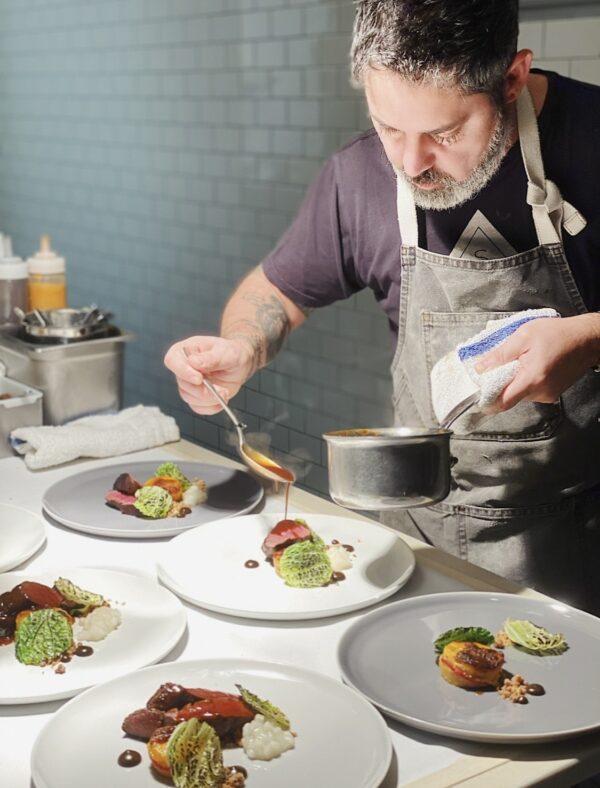
Most people think cooking is about following recipes. Measure this, heat that, combine according to instructions, serve when timer goes off. That’s assembly. That’s not cooking.
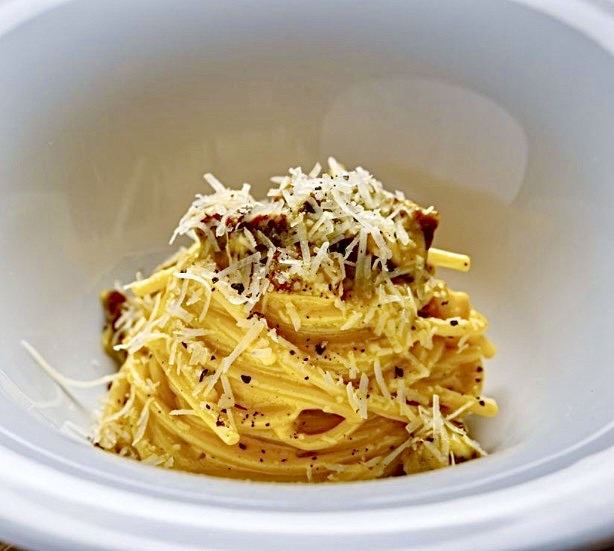
Cooking – whether you’re making carbonara or a soufflé – is about understanding how taste works, then manipulating it. Salt doesn’t just make food salty; it pushes flavors forward, makes ingredients taste more like themselves. Acid doesn’t just add sourness; it pulls saliva into your mouth, cuts through fat, cleanses your palate so the next bite tastes as good as the first.
Gray Kunz, the Swiss chef who ran Lespinasse in New York, used to say: “Salt pushes, acid pulls.”
Four words that contain more useful cooking knowledge than most culinary school textbooks. Because once you understand what’s happening in someone’s mouth when they eat your food, you can build dishes that work not just for one bite, but for an entire plate.
The craft separates a cook from a chef and a chef from someone heating up pre-portioned food from Sysco. You learn this standing next to someone who knows, tasting and adjusting and understanding not just what tastes good, but why.
PART 1: THE FIVE TASTES
Your tongue can detect five basic tastes: sweet, sour, salty, bitter and umami. Not flavors – tastes. Flavor is what happens when taste combines with smell, texture, temperature, memory. But taste is the foundation.
Sweet means carbohydrates, energy your body evolved to seek out. Sour signals acids, fermentation, sometimes spoilage; your body is cautious. Salty delivers the minerals and electrolytes you need to function. Bitter warns of alkaloids and toxins, which is why it’s an acquired taste. Umami ignites amino acids, proteins, the savory depth that makes you want another bite.
These five are what you’re working with. Everything else comes from how you combine and balance them.
PART 2: SALT PUSHES
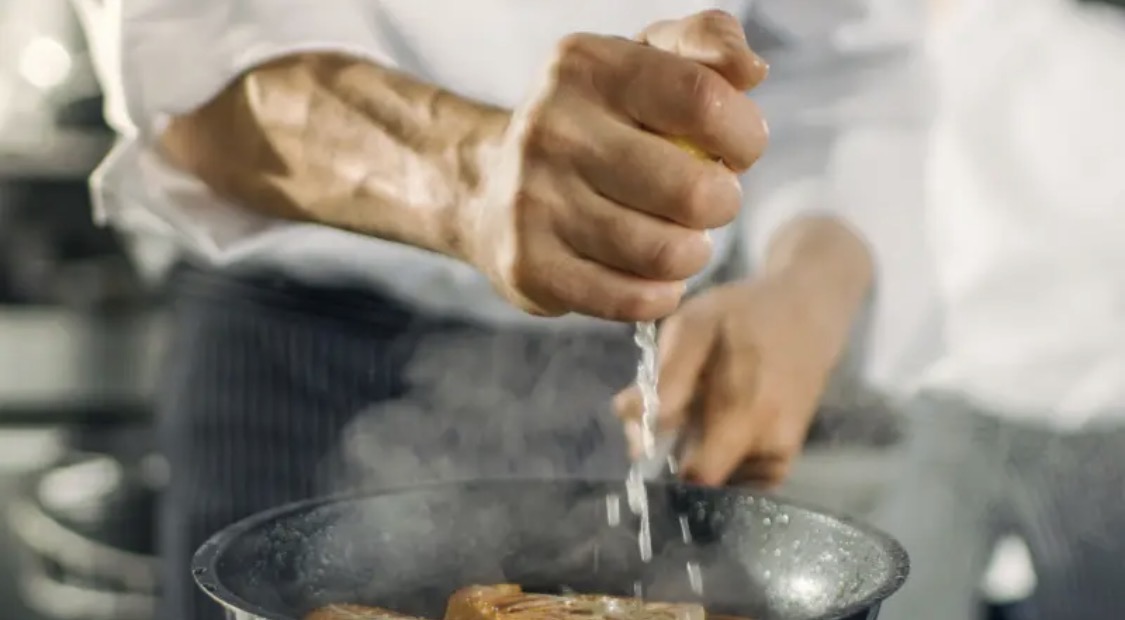
Salt doesn’t make food taste salty unless you use too much. What it does is amplify. It pushes flavors forward. Under-salted tomato sauce tastes flat. Properly salted tomato sauce tastes like tomatoes – bright, sweet, acidic, alive. The salt didn’t add flavor. It reveals what was already there.
Chefs in professional kitchens use more salt than home cooks. Not because we’re trying to make food salty, but because we’re trying to make food taste like something.
I can taste a dish and know immediately if it needs salt. Not because it tastes “not salty enough,” but because the flavors are muted, hiding. Add salt, taste again, and suddenly the dish opens up. The sweetness of the carrots comes forward. The richness of the butter becomes apparent. The acidity of tomatoes balances against the umami of meat. Gray Kunz meant it literally. Salt pushes flavors forward in your perception. It amplifies the signals your taste buds send to your brain.
The first thing you learn as a cook: Salt as you go. Taste constantly. Trust your tongue, not the measuring spoon.
PART 3: ACID PULLS
Acid literally pulls saliva forward into your mouth. And that saliva cleanses your palate.
Acid is essential in rich dishes. Carbonara – cream, egg yolk, guanciale fat, Parmigiano – is incredibly rich. Without acid, it coats your mouth. After three bites, you’re not tasting the dish anymore, you’re just tasting fat. But add black pepper and serve it with wine (acidic), and suddenly each bite tastes clean. The acid cuts through the fat, refreshes your palate, makes bite five as good as bite one.
Chef thinking: not “does this taste good,” but “how does this eat over the course of a plate.” Italian cuisine is built on this principle. Tomato sauce is acidic – balances the richness of olive oil, the fat of meat, the cream of cheese. Lemon on fish cuts through the oil. Vinaigrette on salad isn’t just flavor, it’s functional.
I use acid constantly. A squeeze of lemon, a splash of red wine vinegar, a spoonful of tomato. Not to make dishes sour, but to keep them balanced.
PART 4: FAT COATS, ACID CLEANS
Fat carries flavor, coats your tongue, makes food feel luxurious. But after a few bites of something fatty, you’re not tasting it anymore. Your palate is coated. Acid cuts through fat. It cleanses your palate between bites. It resets your mouth so the next bite tastes like the first.
My mother’s Sunday sauce is a perfect example. Pork ribs, sausage, meatballs – all fatty. Olive oil in the pan. Hours of simmering, during which the fat renders into the sauce. It’s incredibly rich.
But the tomatoes are acidic. San Marzano tomatoes have the right balance of sweetness and acidity. As the sauce simmers, that acidity mellows but never disappears. It’s there in every bite, cutting through the pork fat, keeping your palate clean. You can eat a full plate of pasta with Sunday sauce and not feel overwhelmed.
Fat and acid work together. That richness without acid becomes heavy and acid without richness becomes harsh.
PART 5: UMAMI, THE MISUNDERSTOOD TASTE
Umami gets talked about like it’s exotic, some secret Japanese technique that Western cooking doesn’t understand. That’s nonsense. Italian cuisine is umami-rich. So is French cuisine. So is basically every cuisine that uses fermented or aged ingredients.
Umami is the taste of amino acids, specifically glutamate. It’s savory, deeply satisfying.
Parmigiano-Reggiano: aged 24 to 36 months, concentrated umami. Prosciutto di Parma: aged 18 to 24 months. Tomatoes: naturally high in glutamate, especially when cooked down. Mushrooms, anchovies – all intense umami.
When I’m cooking, I’m thinking about umami as much as salt and acid. If it’s missing something, but salt and acid aren’t the answer, it probably needs umami. A splash of fish sauce in tomato sauce. A grating of Parmigiano in the risotto.
These aren’t “fusion” techniques; they’re just using umami-rich ingredients to add the depth the dish needs.
PART 6: HOW CHEFS BUILD DISHES
When I’m creating a dish, I don’t start with a recipe. I start with a flavor profile.
Main flavor: Pork ragù. Rich, fatty, deep umami.
Balance: Tomato. The acidity cuts the fat, adds brightness.
Depth: Parmigiano-Reggiano. More umami, salt to push flavors forward.
Finish: Fresh basil. Aromatic lift at the end.
But I don’t just mix these together. I taste at every stage.
Brown the pork. Taste the fond. Is it bitter or caramelized?
Add tomatoes. Taste after 30 minutes. Too acidic? Add a pinch of sugar. Too flat? Needs salt.
After two hours, taste again. Does it need more salt? A splash of red wine? Does it coat your mouth too much, meaning it needs more acid?
Add the Parmigiano at the end. Taste. Too salty now? Do I need a squeeze of lemon to bring back brightness?
Finally, the basil. Torn and stirred in, not cooked. Taste one more time. Is it balanced?
Chefs think: not “does this taste good,” but “what is this missing?”
• Too flat? Needs salt.
• Too heavy? Needs acid.
• Missing depth? Needs umami.
• Too harsh? Needs fat or sweetness.
PART 7: PRINCIPLES, NOT RECIPES
I’ve trained in Wing Chun kung fu and it works the same way. Mall karate classes teach specific scenarios: attacker lunges with knife, do this move. But life isn’t choreographed. Wing Chun teaches principles instead. Structure, centerline, economy of motion. Once you understand the principles, you can handle situations fluidly.
Cooking works the same way. Recipes are the mall karate version: Do this exact sequence and you’ll get this result. But what happens when your tomatoes are different? When your stove runs hotter? The recipe can’t account for every variable. Principles can. Salt pushes, acid pulls, fat coats. Once you understand these, you can navigate any dish, any ingredient, any situation. You taste, diagnose what’s missing, correct.
I learned this standing next to cooks who actually knew what they were doing. Not “add one tablespoon lemon juice,” but “taste this, see how it coats your mouth? That means it needs acid.”
Most restaurant cooking is jazz. You taste, adjust, respond. The tomatoes today are more acidic? Use less lemon. The pork has more fat? Cook it longer to render.
Recipes can’t account for this. Principles can.
PART 8: CONTRASTING TEXTURES
Once the flavor profile is balanced, the next question is texture. Soft needs crunch. Smooth needs rough. Creamy needs crisp. Texture keeps your mouth engaged. It prevents monotony.
Pasta carbonara: creamy sauce from egg yolk and cheese, silky and coating. But then the guanciale – crispy, crunchy, salty pork that breaks up the smoothness. The crack of black pepper adds tiny bursts of sharpness. Without the crispy guanciale, carbonara would be pleasant for three bites, boring by bite seven.
When I’m plating a dish, I’m asking: Does this have textural contrast? If everything is soft, what can I add that’s crunchy? If everything is smooth, what can I add that has bite?
A seared steak with a crispy, caramelized crust and a tender, medium-rare interior – that textural contrast is what makes it memorable.
PART 9: BECOME THE DINER
Great chefs eat the entire plate. In the kitchen, under bright lights, everything looks perfect.
But customers eat in dimly lit dining rooms. So you take the plate out there. You look at it where it will actually be seen. Does it still look good? More importantly, you sit down and eat the entire plate. Not just taste the components in the kitchen. Eat it the way a customer will, from first bite to last.
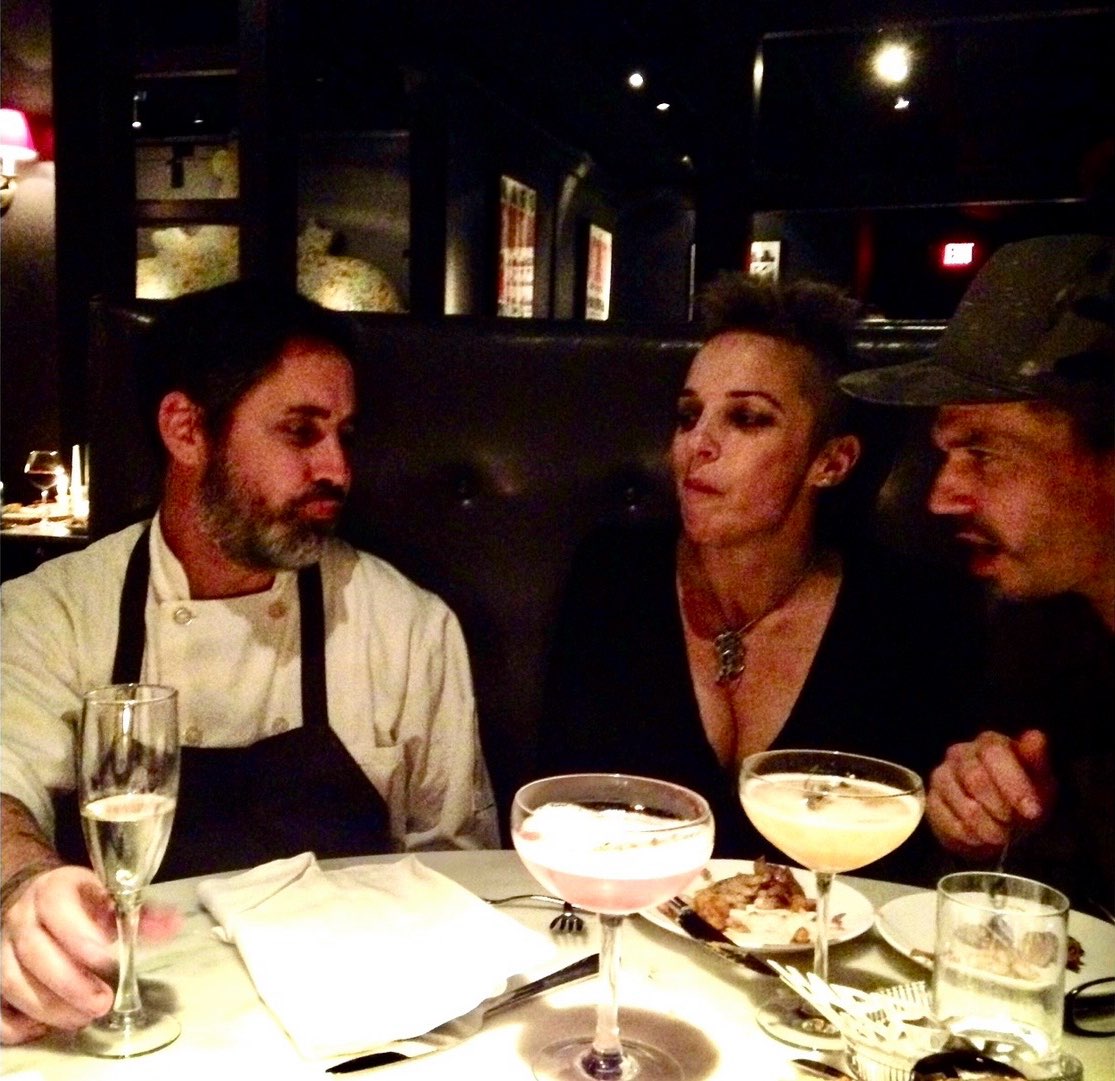 First three bites might be perfect. What about bite 12? Does the acid still cut through the fat? Do the textures stay interesting? Can you finish the plate and want more?
A great chef catches this before it goes to the dining room. Adds more acid. Adjusts the portion size. Changes the textural contrast. Makes sure bite 15 is as good as bite three.
You have to stop being the cook and become the customer. Sit down. Eat it the way they’ll eat it, in the lighting they’ll see it, in the rhythm they’ll experience it.
Olive Garden can’t do this. They design dishes in corporate test kitchens, optimize them for cost, freeze them, ship them. Nobody sits in a dim dining room asking, “Does this still work on bite 15?”
They’re not chefs. They’re food engineers.
PART 10: WHY THE FORK MATTERS
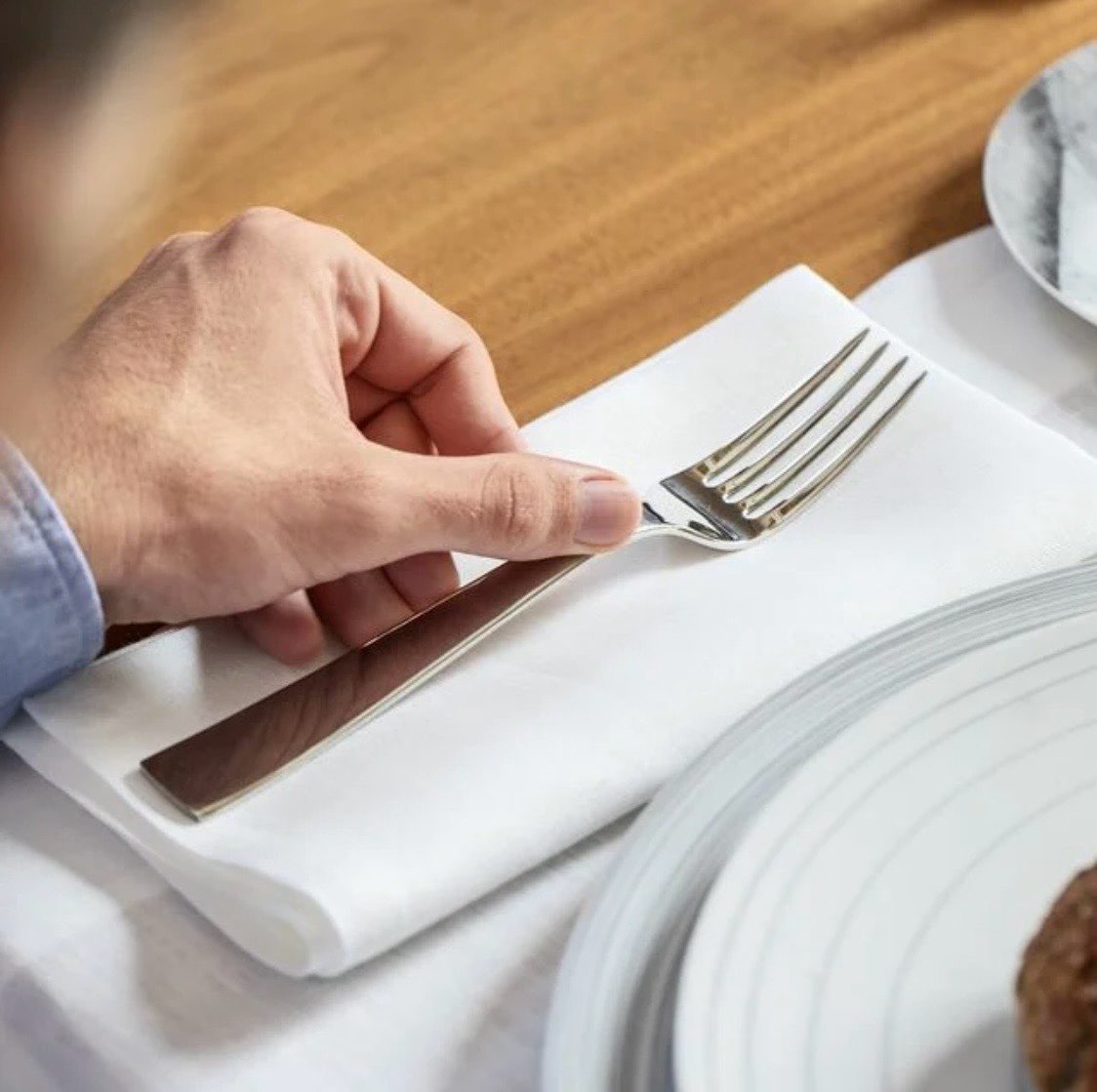 From entry to exit. Every touchpoint matters. The greeting when you walk in. The lighting in the dining room. The weight of the fork in your hand. The temperature of the plate. The timing between courses. A cheap fork feels wrong. Too light, too flimsy, it bends slightly when you cut.
Perfection is impossible. But striving for excellence is perfectly obtainable. Excellence means every element is considered. When authentic restaurants close, this level of thinking disappears.
Even though the margins are impossible, excellence isn’t about profit. It’s about the entire experience.
CONCLUSION
You can find recipes anywhere. But understanding how salt pushes and acid pulls – how to balance a dish across an entire plate, create textural contrast, think like a diner – is craft, knowledge passed from chef to cook, embodied in the hands and palate through years of tasting and adjusting.
When an authentic restaurant closes, this knowledge doesn’t transfer. It just ends. Olive Garden has recipes and procedures. But they don’t have chefs thinking about whether bite 15 is as good as bite three. They have simulation that looks like food but doesn’t think like a cook.
When policy makes authentic restaurants economically impossible, when tariffs price real ingredients out of reach, when margins shrink to 2 percent to 4 percent, this knowledge dies.
I keep cooking Sunday sauce even when it costs $34 instead of $20. I am willing to teach anyone willing to learn.
Because the fork matters. The acid matters.
We strive for excellence, knowing we’ll never reach perfection, knowing that policy works against us.
We cook anyway.
Because some things are worth more than the math says they cost.
Editor’s note: Rob Santello is a veteran chef with more than two decades of experience in fine-dining kitchens across Manhattan and New Jersey, including Alta NYC, Pascal and Sabine in Asbury Park, and Heirloom Kitchen in Old Bridge. He is currently working on opening NUMA, a pan-Mediterranean concept in Shrewsbury.